
My 5 Key Principles For Effective Coaching
Whether you are a newbie or seasoned baseball coach, sometimes it can get a little overwhelming trying to run an effective practice. These are my 5 key principles to effective coaching and making the most of everyone’s time on the field.
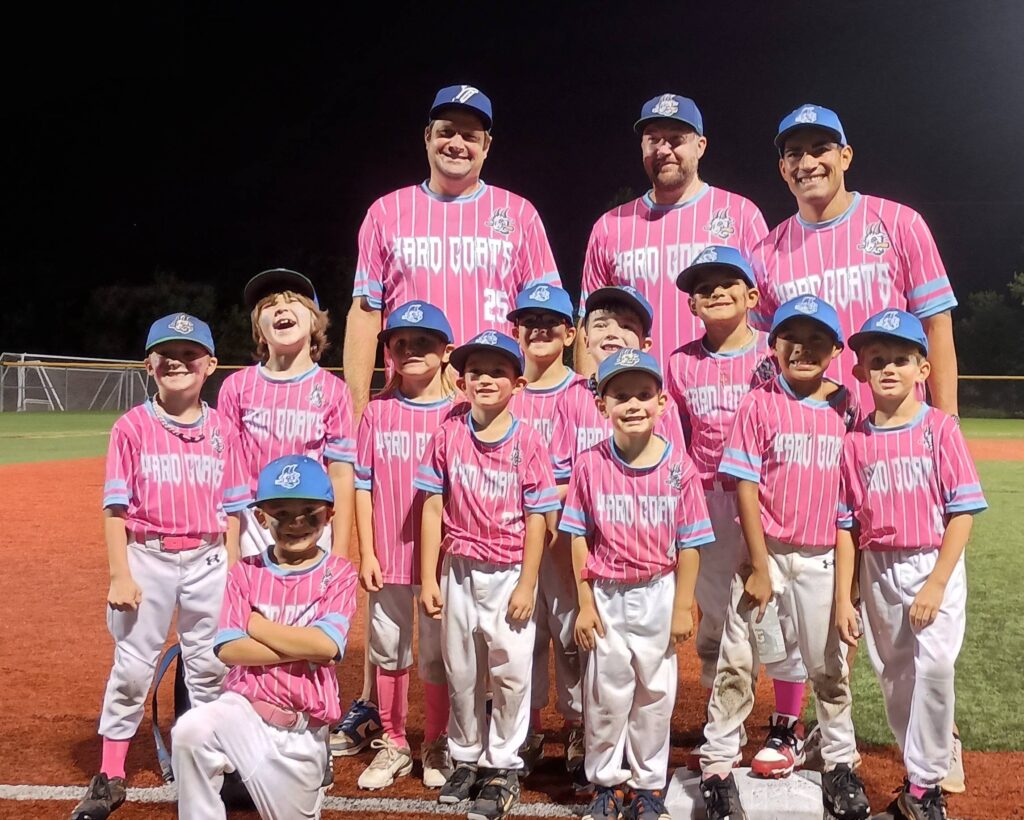
1. It Takes A Village
As the saying goes, don’t be a one man army. You will have parent’s willing to help. Use them. Rely on them. Get them involved. They are irreplaceable when it comes to running an effective practice.
To a point. There is such a thing as having to many voices on the field. I have found that for the younger ages the maximum coaches should be 4. As the kids get a little older you can narrow it down to 2/3 coaches.
Lastly, utilize Facebook, YouTube and local instructors. There are plenty of people to help guide you and your kid(s) in the right direction.
2. Have A Plan
Don’t go out there and wing it. Remember the 5 P’s. Prior preparation prevents poor performance.
Take time and write out a practice plan and communicate it with the other coaches. There is nothing worse, as a parent, than bringing your kid to practice and feeling like the coach is not organized.
In my experience, I write out the practice plan to the minute. And I try to stick to it but always be flexible. It’s your job as a coach to “read the room” and keep the practice moving.
When it comes to the practice plan, make sure you are utilizing the assistants! Let them do their own effective coaching. Break out into small groups so every kid gets some one-on-one time. The less downtime means more reps. And more reps is never a bad thing!
3. Communication
Everyone likes to know what’s going on. This includes the parents, players and other coaches. This puts everyone at ease and makes it feel like you have everything under control. Regardless if you really do or not!
The biggest thing in my experience is transparency. It goes a very long way in making all participants feel like they know what’s going on. In general, you should communicate like a leader and build up the trust of your team.
4. Be Positive
Kids like to do things that are fun, rewarding and feel like they are good at. It’s your job along with your assistants to create an environment that is conducive to a positive learning environment.
Being positive is not to be confused with being gentle. This is a game and there are winners and losers. Sometimes effective coaching will require you to be tough on them. Especially when offering constructive criticism. But you should aim to phrase it in a way that still comes from a positive point of view. That way they will want to keep working at it to get better.
5. Patience
I fully believe that most adults don’t remember how long it can take for a kid to learn a new skill. Most of us adults have played baseball for a long time and we have forgotten that we have so many more years of experience. Not just when it comes to the game but the physical movements associated with it.
So I can’t stress enough to be patient with the kids. It takes a ton of time and reps for kids to develop and learn new skills. Encourage them to keep working at it and over time it will become more natural for them.